
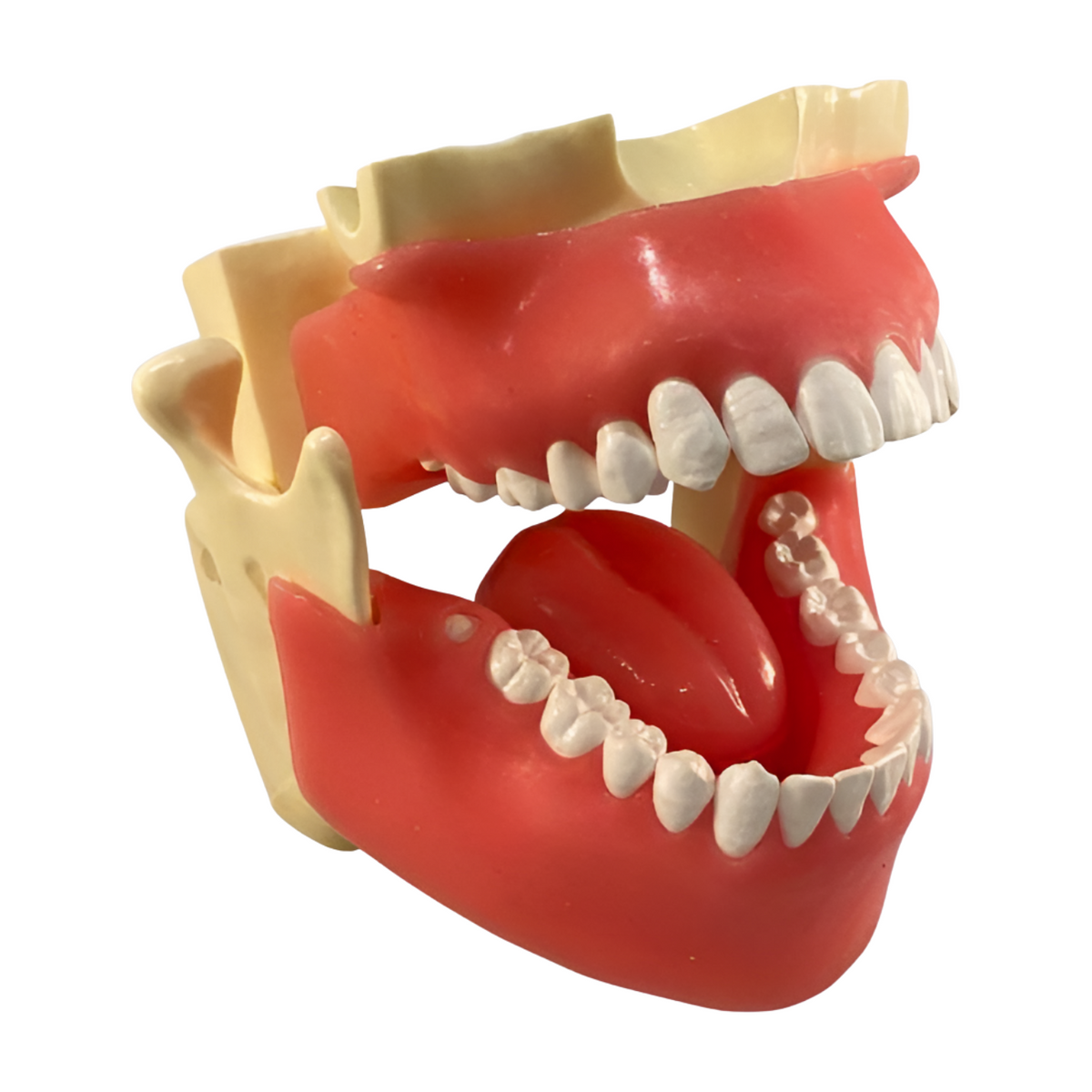
Modern radiographic training: what educators need to know about the XR artificial system
DXTTR trainers are aging out and parts are getting hard to find. Here is how the XR system handles digital sensors, mounting and day-to-day maintenance for dental programs.
When a local Canadian dental school reached out with questions about radiographic training equipment, their concerns matched what we hear from dental educators across the country. Existing DXTTR trainers are aging out, repairs are becoming difficult, and programs need reliable alternatives designed for digital workflows.
We would never suggest decommissioning older heads built with natural bone and natural teeth. But there comes a point when repair is no longer possible, and the result is more downtime and frustrated students.
The XR system at a glance

Why programs are replacing DXTTR trainers
Dental education has shifted a great deal in recent years. Traditional radiographic trainers like the DXTTR series served programs well for decades, but as these units reach end of life, replacement parts are scarce and repairs are harder to arrange. At the same time, digital sensors have become the clinical standard, leaving a gap between older training equipment and the technology students will use in practice.
Built for digital sensors
The XR artificial radiographic training system was designed with digital sensors in mind. Its palate geometry accommodates modern sensor dimensions, avoiding the fit problems that often come with retrofitting older systems.
Flexible mounting for different training environments
Installation is one of the questions we are asked most. The XR system's modular design lets it work with almost any existing setup, which matters when you are working within established facilities and budgets.
- Chair mounted. The head attaches to the metal support that connects the headrest to the chair body. It uses equipment you already have and puts the trainer at a comfortable working height for students.
- Extended stand. For panoramic radiography training, the system can be set up on an extended stand, so one trainer covers multiple imaging techniques in the same curriculum.

Simple to operate and maintain
The mouth opens and closes with a single-spring mechanism that takes minimal effort, easily managed with one finger as the video below shows. That simplicity makes training sessions smoother and keeps long-term running costs down.
When the return spring needs replacing, the repair involves removing just two screws. Programs can do it in house without shipping the unit away or waiting for a technician.
Tooth replacement service
Over time, normal wear and tear can cause teeth to crack or break. When that happens, the teeth can be replaced. The model is shipped to our warehouse, where our technicians carefully remove the remaining portion of the damaged teeth and install new replacement teeth. Models are typically returned within one to two weeks, keeping interruptions to your teaching schedule to a minimum.
Choosing radiographic training equipment
Selecting radiographic training equipment means balancing upfront budget against long-term reliability, compatibility with current technology and total cost of ownership. Easy maintenance and digital sensor compatibility, as found in the XR trainer, address the practical issues that affect a program day to day.
Frequently asked questions
Is the XR system a replacement for the DXTTR?
It is a modern alternative for programs whose DXTTR units can no longer be repaired. It is designed for digital sensors and current imaging workflows.
Does the XR trainer work with digital x-ray sensors?
Yes. The palate geometry is built to accommodate modern digital sensor dimensions.
How is the XR system mounted?
It can attach to the support between a dental chair's headrest and chair body, or be set up on an extended stand for panoramic training.
Can we maintain it ourselves?
The jaw return spring can be replaced in house by removing two screws. If teeth crack or break, the model is shipped to our warehouse, where our technicians replace them. It is typically returned within one to two weeks.
Candent supplies dental education equipment to universities, colleges and hospital training programs across Canada. For questions about radiographic training systems or institutional quotes, email sales@candent.ca or call 905-629-7688.
View the XR radiographic training system